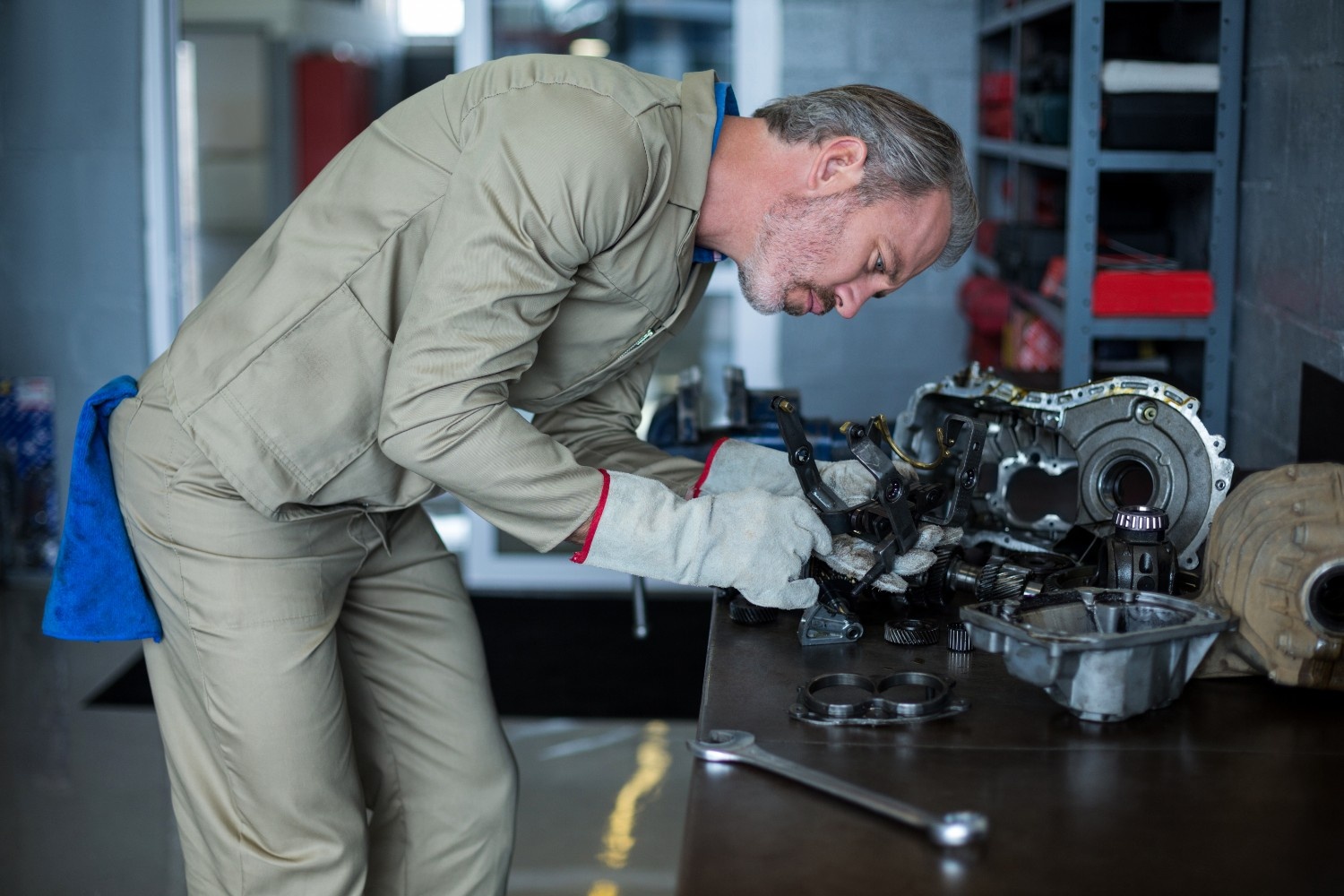
Your car’s braking system is one of the most critical safety components in your vehicle. It’s the system you rely on every time you slow down at traffic lights, stop suddenly to avoid hazards, or drive through busy roads around Geelong. Yet, brakes are often overlooked until something goes wrong.
Understanding how your braking system works—and how to maintain it properly—can help keep you safe on the road, reduce repair costs, and extend the life of your vehicle. At Armstrong Creek Motors, we regularly see brake issues that could have been prevented with timely maintenance and early attention.
How Your Car’s Braking System Works
Most modern vehicles use a hydraulic braking system designed to convert motion into stopping power. While it may feel simple when you press the brake pedal, several components work together behind the scenes.
Brake Pedal & Master Cylinder
When you press the brake pedal, force is transferred to the master cylinder. This component pushes brake fluid through the brake lines, creating hydraulic pressure.
Brake Lines & Fluid
Brake fluid carries this pressure to each wheel. Because brake fluid does not compress, it allows force to be transmitted efficiently, ensuring quick and responsive braking.
Brake Callipers & Wheel Cylinders
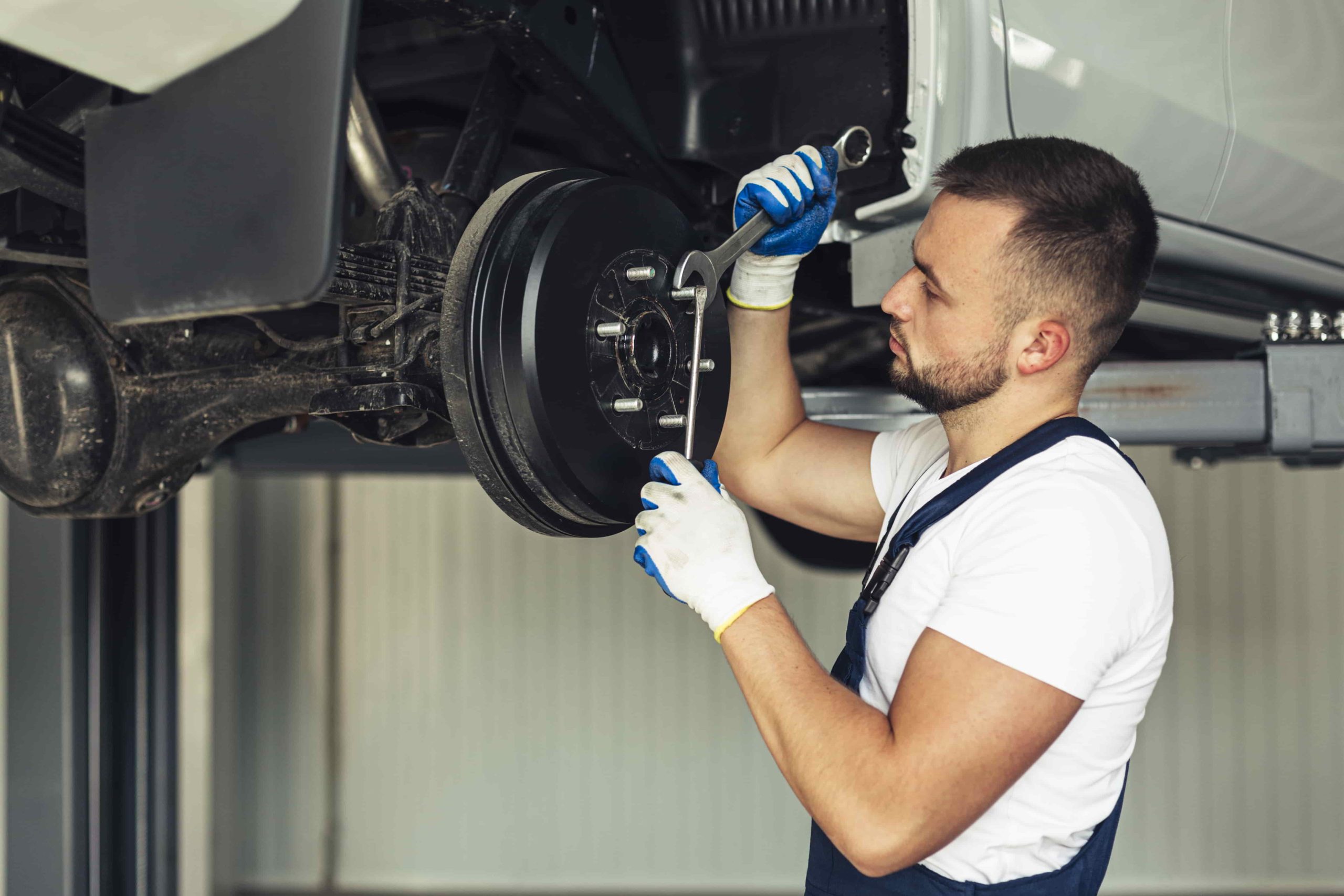
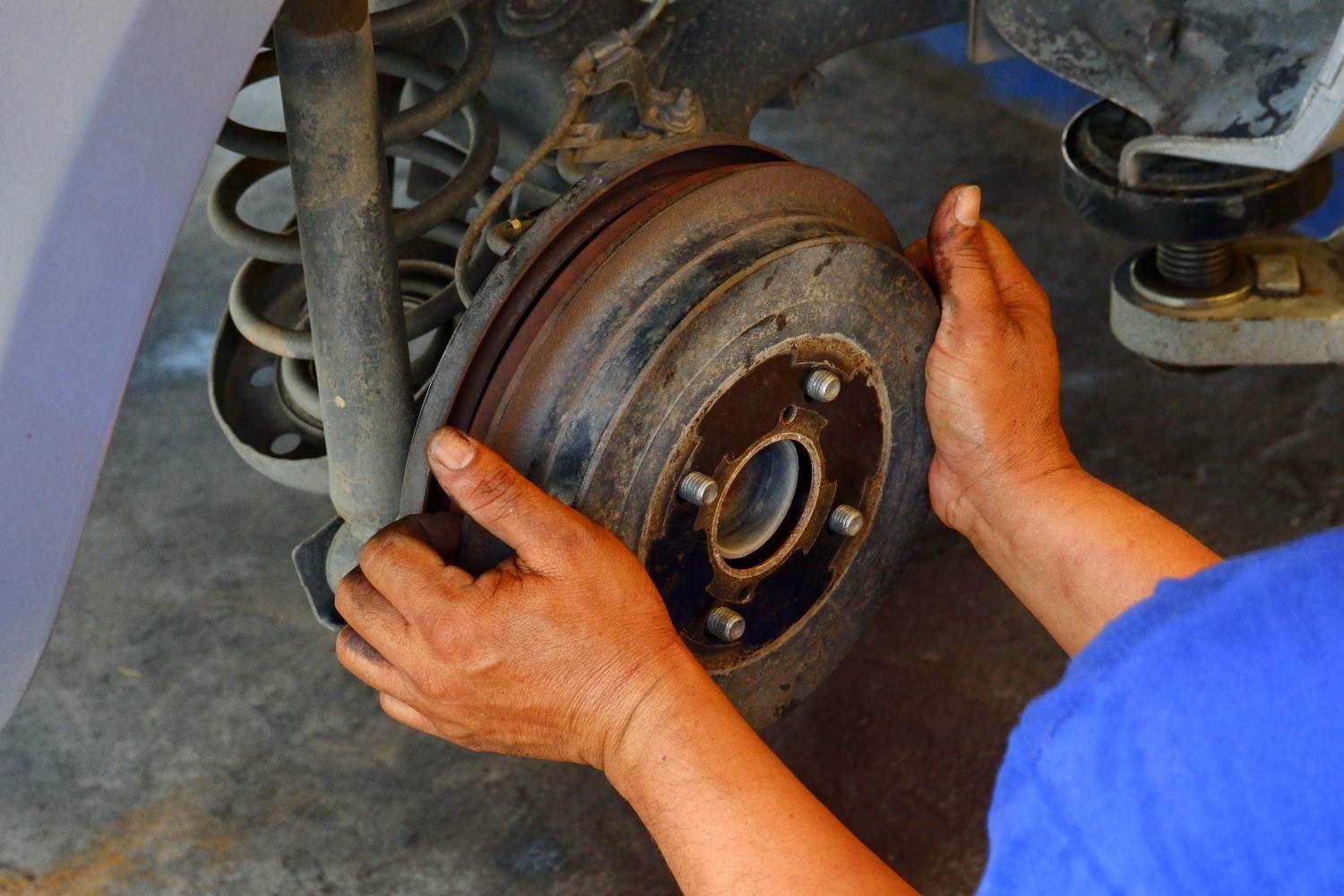
At each wheel, callipers (for disc brakes) or wheel cylinders (for drum brakes) receive the hydraulic pressure and apply force to the braking components.
Brake Pads, Rotors, Shoes & Drums
Brake pads clamp onto rotors, or brake shoes press against drums, creating friction. This friction slows the wheels and ultimately brings your vehicle to a stop.
Each part must function correctly for safe and effective braking.
Why Brake Maintenance Is So Important
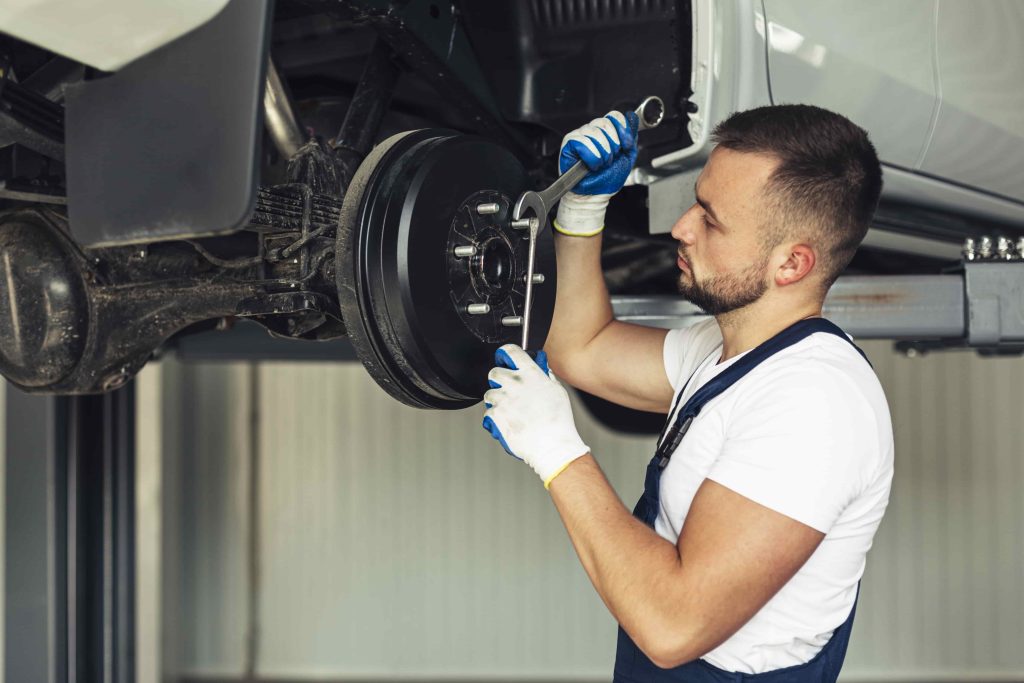
Brakes wear out gradually. Unlike sudden engine failures, braking issues often develop slowly, making them easy to ignore. However, worn or poorly maintained brakes can significantly increase stopping distances and reduce your ability to react in emergencies.
Regular brake maintenance helps:
- Maintain safe stopping performance
- Prevent damage to expensive components
- Avoid sudden brake failure
- Ensure compliance with road safety standards
For drivers in Armstrong Creek and Geelong, where stop-start traffic and varying road conditions are common, brake health is especially important.
Common Signs Your Brakes Need Attention
Your car usually gives warning signs before brake problems become serious. Knowing what to watch for can help you act early.
Squealing or Grinding Noises
High-pitched squealing often indicates worn brake pads, while grinding sounds may mean the pads are completely worn and damaging the rotors.
Vibrations When Braking
A vibrating brake pedal or steering wheel can be a sign of warped rotors, often caused by overheating or uneven wear.
Soft or Spongy Brake Pedal
If the pedal feels soft or sinks toward the floor, there may be air in the brake lines or a brake fluid issue—both of which require immediate attention.
Pulling to One Side
If your car pulls left or right while braking, it could indicate uneven brake wear or a calliper issue.
Ignoring these signs can lead to reduced braking efficiency and higher repair costs.
How Regular Servicing Protects Your Braking System
Routine servicing plays a major role in maintaining brake performance and safety.
Brake Inspections
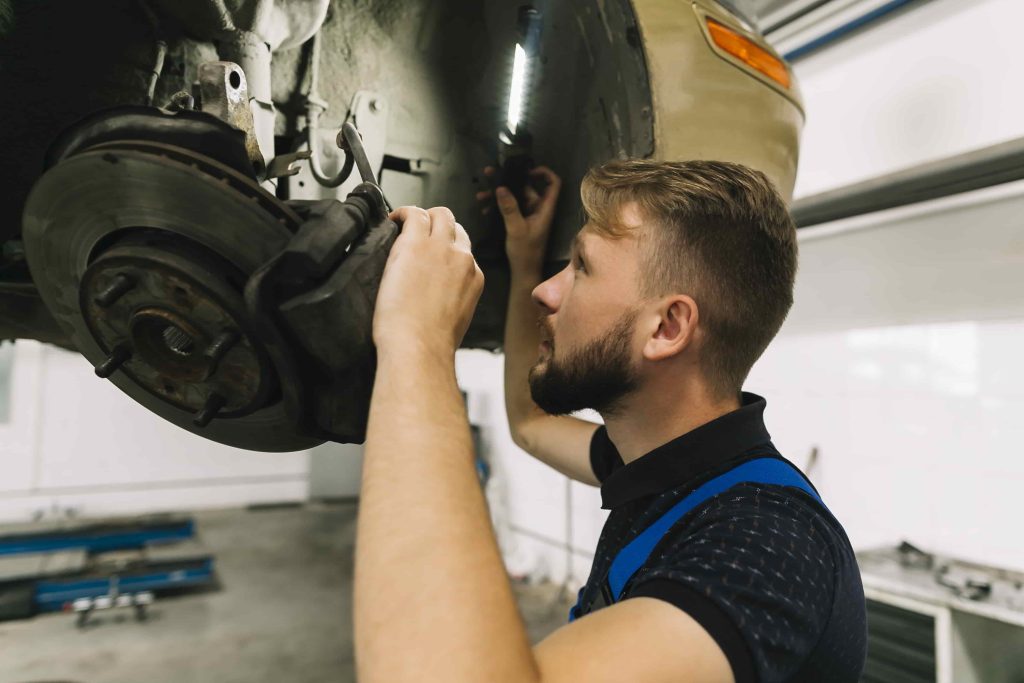
During regular car servicing, brakes are inspected for wear, damage, and uneven performance. Early detection helps prevent further damage.
Brake Pad Replacement
Brake pads are designed to wear down over time. Replacing them at the right stage prevents damage to rotors and ensures consistent braking.
Brake Fluid Checks
Brake fluid absorbs moisture over time, reducing its effectiveness. Regular checks and fluid replacement help maintain proper hydraulic pressure.
Rotor & Drum Assessment
Rotors and drums are checked for thickness, warping, and surface damage to ensure smooth braking.
At Armstrong Creek Motors, brake checks are treated as a priority during vehicle servicing—not an afterthought.
How Driving Habits Affect Brake Wear
Your driving style has a direct impact on how quickly your brakes wear out.
Frequent hard braking, riding the brakes downhill, and stop-start driving all accelerate wear. While some conditions are unavoidable, smooth braking and maintaining safe following distances can significantly reduce brake stress.
Regular maintenance helps offset these conditions by keeping braking components in optimal condition.
The Cost of Ignoring Brake Maintenance
Delaying brake maintenance may seem like a way to save money, but it often leads to higher costs later.
Worn brake pads can damage rotors, turning a simple pad replacement into a more expensive repair. Brake fluid neglect can lead to hydraulic system issues, affecting overall braking performance.
More importantly, poorly maintained brakes compromise safety—not just for you, but for everyone on the road.
How Often Should Brakes Be Checked?
While brake lifespan varies based on driving conditions and vehicle type, a general guideline is to have brakes checked at every regular service.
Brake pads may last anywhere from 30,000 to 70,000 kilometres, while brake fluid typically requires replacement every two years. Regular inspections ensure servicing is done at the right time—not too early and not too late.
Why Choose Armstrong Creek Motors for Brake Maintenance?
Brake systems are complex and require skilled assessment. At Armstrong Creek Motors, our technicians understand how braking systems behave under real-world driving conditions in Geelong and surrounding areas.
We focus on:
- Thorough brake inspections
- Honest advice without unnecessary upselling
- Quality replacement parts
- Clear explanations of findings and options
Our goal is to keep your braking system reliable, responsive, and safe—without surprises.
Final Thoughts: Knowledge Is Safety
Your braking system is your vehicle’s most important safety feature. Understanding how it works and maintaining it properly helps ensure reliable stopping power when it matters most.
Regular inspections, timely repairs, and professional car servicing are key to keeping your brakes—and your vehicle—in top condition.
If you notice warning signs or it’s time for your next service, addressing brake maintenance early can save money, improve safety, and give you peace of mind on every drive.