When it comes to road safety, few vehicle systems are as critical as your brakes and clutch. These components work quietly in the background every day, yet any issue with them can quickly compromise your safety, comfort, and control behind the wheel.
At Armstrong Creek Motors, brake and clutch maintenance is treated as a priority service — because safe driving starts with reliable stopping power and smooth gear control.
This guide explains how brakes and clutches work, common warning signs to watch for, and why regular maintenance is essential for safer driving.
Why Brake & Clutch Maintenance Matters
Brakes and clutches are both wear-and-tear components, meaning they naturally degrade over time. How quickly they wear depends on driving habits, traffic conditions, vehicle type, and how well they’re maintained.
Neglecting brake or clutch issues can lead to:
- Reduced stopping ability
- Loss of vehicle control
- Increased repair costs
- Higher risk of breakdowns or accidents
Regular vehicle inspections and timely servicing help ensure your vehicle responds exactly as it should when you need it most.
Understanding Your Brake System
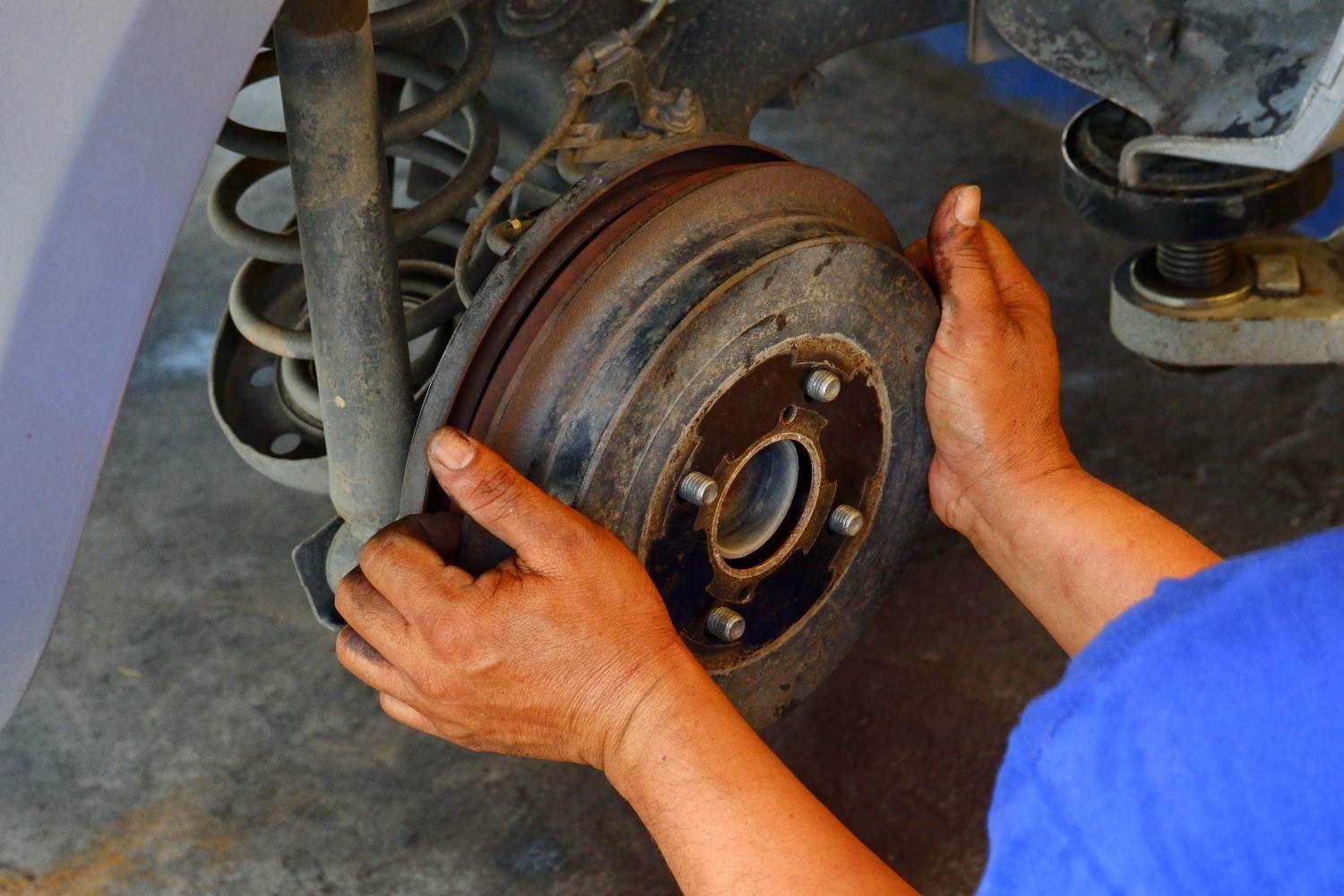
Your brake system is designed to slow and stop your vehicle by converting motion into heat through friction. Over time, this friction causes components to wear down.
Key Brake Components That Require Maintenance
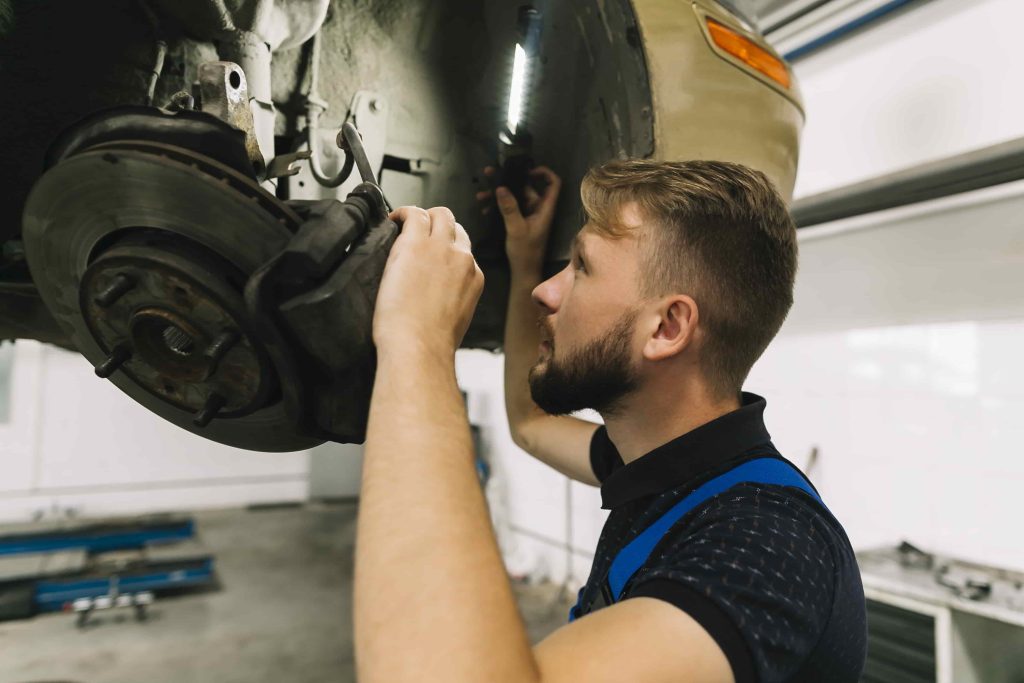
- Brake pads – Wear down with regular use
- Brake rotors (discs) – Can warp or wear unevenly
- Brake fluid – Absorbs moisture and degrades over time
- Callipers and hoses – Can seize or leak if neglected
Even small issues, such as worn pads or old fluid, can significantly affect braking performance.
Common Signs Your Brakes Need Attention
Your car often gives clear warning signs before a brake failure occurs. If you notice any of the following, it’s important to have your brakes inspected promptly:
- Squealing, grinding, or clicking noises
- A soft, spongy, or vibrating brake pedal
- Longer stopping distances
- Pulling to one side while braking
- Warning lights on the dashboard
Ignoring these symptoms can turn a simple repair into a costly safety issue.
Understanding the Clutch System
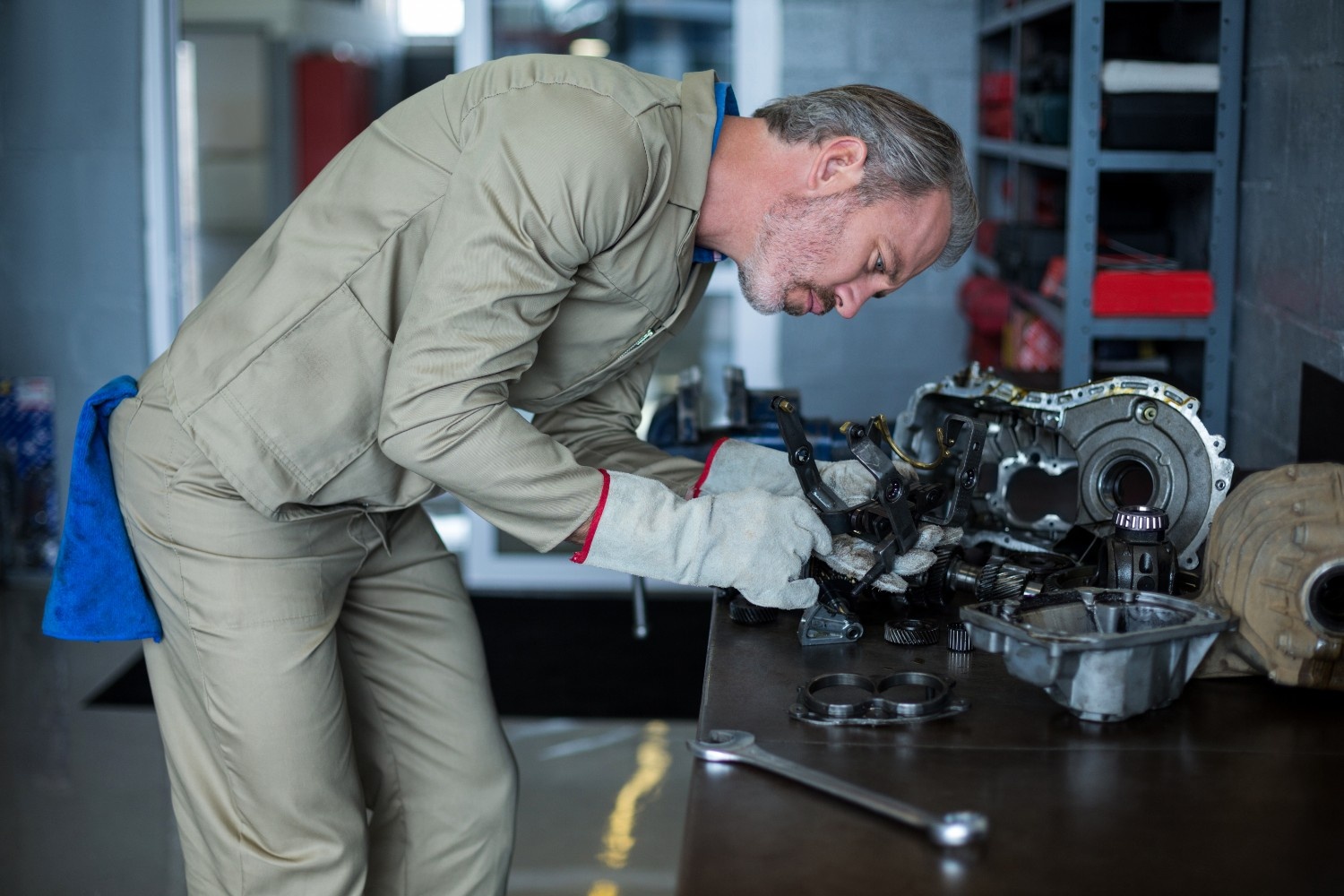
The clutch allows your vehicle to smoothly transfer power from the engine to the wheels, making gear changes possible. Like brakes, clutch components wear down gradually.
Common Clutch Components
- Clutch plate – Wears with use
- Pressure plate – Loses tension over time
- Release bearing – Can become noisy or rough
- Hydraulic system – Fluid issues can affect engagement
A well-maintained clutch ensures smooth gear changes, better fuel efficiency, and reduced strain on the transmission.
Warning Signs of Clutch Problems
Your vehicle usually provides clear warning signs when the cooling system isn’t working properly. Ignoring these signs can result in severe engine damage.
Watch out for:
- The engine temperature gauge is running higher than normal
- Coolant warning lights on the dashboard
- Visible coolant leaks under the vehicle
- Sweet or unusual smells from the engine bay
- Steam coming from under the bonnet
If any of these symptoms appear, it’s important to have the vehicle inspected promptly.
How Driving Conditions Affect the Cooling System
Driving habits and local conditions can significantly impact cooling system performance. Stop-start traffic, towing, heavy loads, and hot weather all place extra stress on the system.
In areas like Armstrong Creek and surrounding suburbs, vehicles often experience:
- Daily commuting with frequent stopping
- Highway driving at sustained speeds
- Summer heat increases engine load
- Occasional towing or long-distance trips
These conditions make regular cooling system checks especially important to avoid overheating.
How Often Should Brakes and Clutches Be Checked?
There’s no single schedule that suits every vehicle, but general guidelines include:
- Brake inspections during every routine service
- Brake fluid replacement as recommended by the manufacturer
- Clutch inspections if there are performance changes or unusual noises
Regular servicing allows early detection of wear before safety is compromised.
The Benefits of Professional Brake & Clutch Servicing
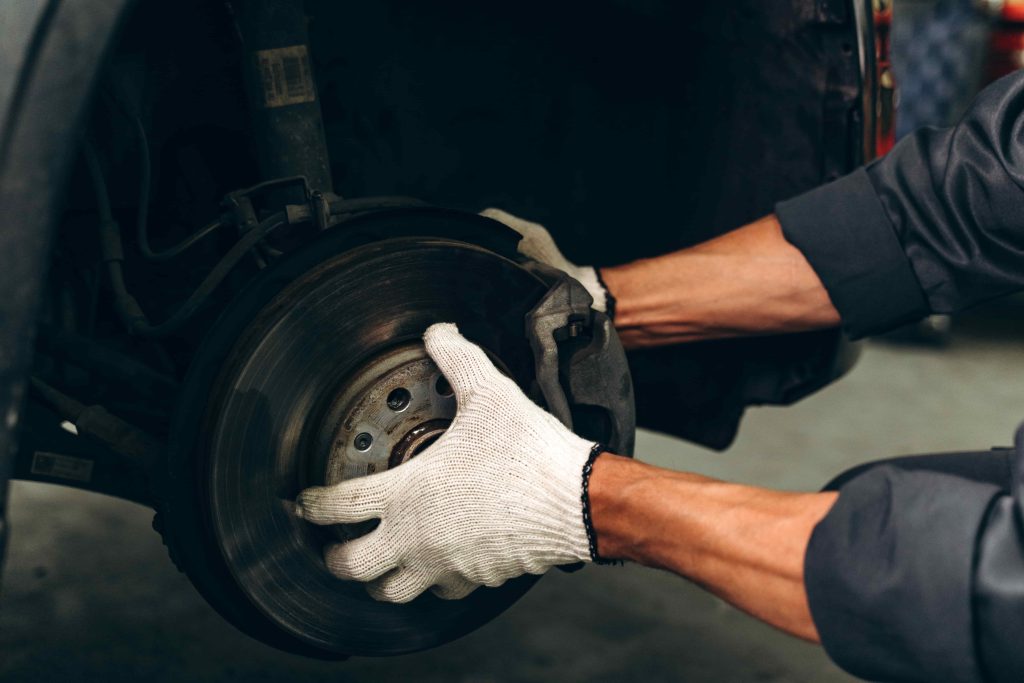
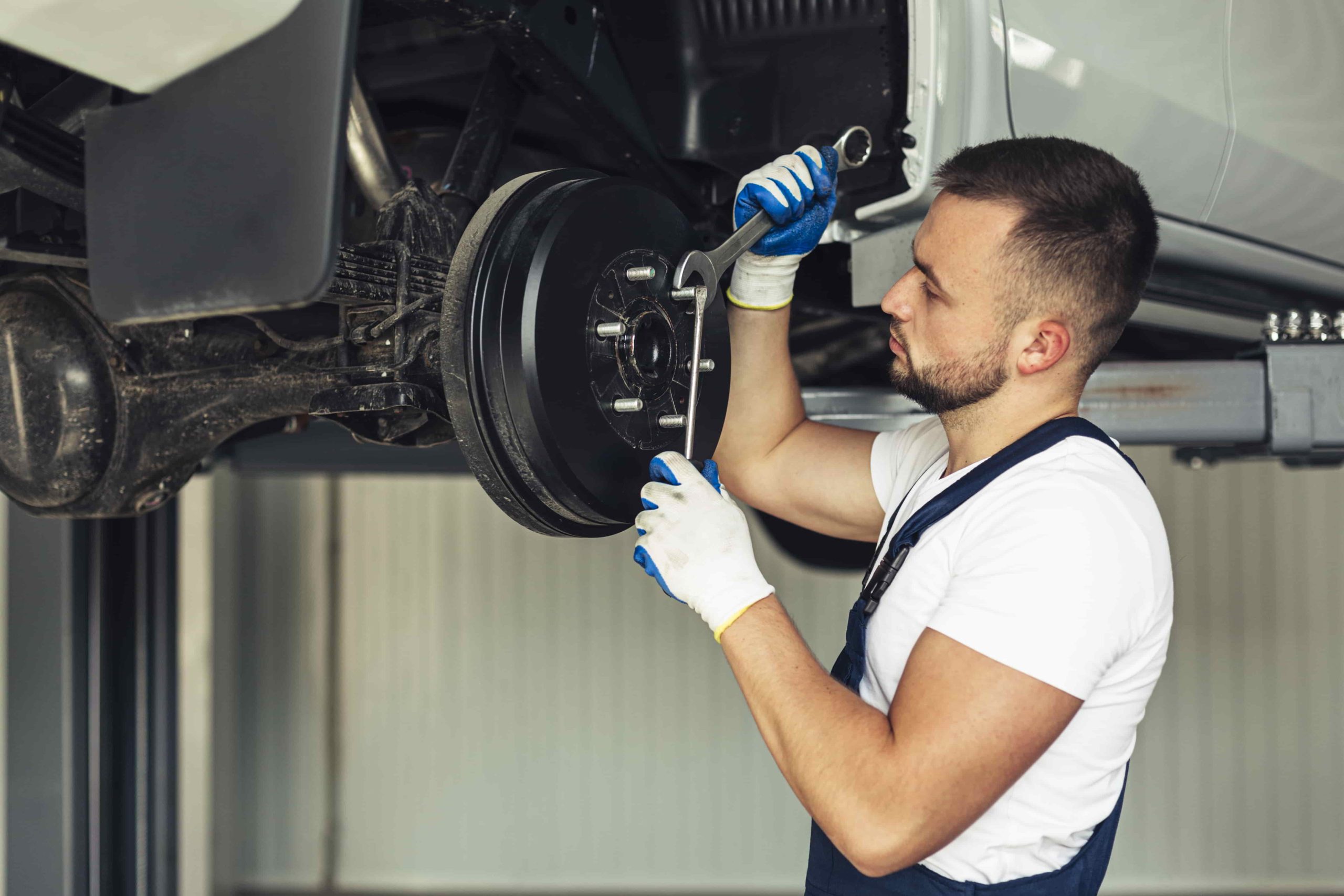
Brake and clutch systems are complex and safety-critical. Professional servicing ensures problems are correctly diagnosed and repaired.
Benefits include:
- Accurate assessment of wear levels
- Proper adjustment and installation
- Improved safety and driving confidence
- Extended lifespan of components
At Armstrong Creek Motors, inspections are thorough and focused on safety, reliability, and long-term vehicle performance.
Preventative Maintenance for Safer Driving
Preventative maintenance is always more cost-effective than emergency repairs. Simple habits can also reduce wear on your brakes and clutch, such as:
- Avoiding harsh braking where possible
- Not resting your foot on the clutch pedal
- Allowing safe stopping distances
- Addressing warning signs early
These practices, combined with regular servicing, help keep your vehicle safe and responsive.
Final Thoughts
Brake and clutch maintenance is not just about keeping your car running — it’s about protecting you, your passengers, and everyone else on the road. These systems are essential for control, safety, and confidence behind the wheel.
By understanding how your brakes and clutch work, recognising early warning signs, and committing to regular inspections, you can avoid unexpected failures and enjoy safer driving every day.
For drivers seeking reliable brake and clutch servicing, Armstrong Creek Motors provides professional inspections and maintenance focused on safety, performance, and peace of mind.